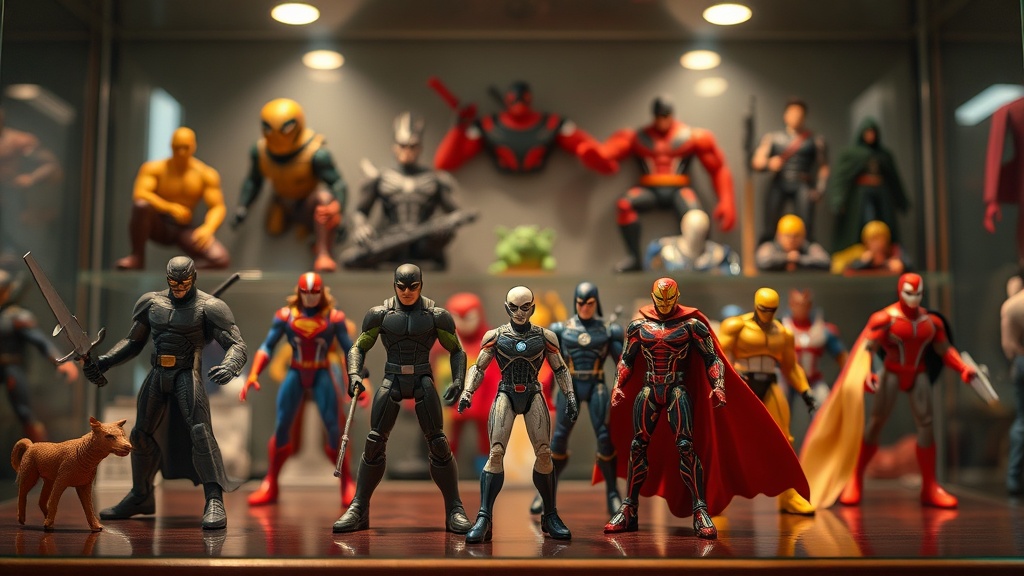
Why You Should Rotate Your Displayed Action Figures Every Season

Quick Tip
Rotating your displayed action figures every three months evenly distributes UV exposure and reduces stress on joints, keeping your collection in pristine condition for years.
This post breaks down why seasonal rotation keeps action figure collections looking fresh and protected from dust, light exposure, and joint fatigue. Whether your shelf holds a dozen Marvel Legends or a full wall of Hot Toys, swapping figures every few months will extend their lifespan and keep the display from going stale. You'll notice the difference the moment you walk into the room.
How often should you rotate action figures on display?
You should rotate most action figures every three to four months. That timeline lines up with the seasons and gives each figure a break from standing in the same pose under the same lighting conditions. High-end pieces like Hot Toys or import lines from Bandai benefit from even shorter stints—some collectors swap those every six to eight weeks.
The catch? Not every figure ages the same way. Mass-market lines such as Hasbro's Marvel Legends or McFarlane Toys are built tougher, so they can handle longer display periods without issue. (That said, no plastic enjoys direct afternoon sun—no matter how thick the joints are.)
Does rotating figures really prevent sun damage and joint wear?
Yes—rotation is one of the simplest ways to reduce sun damage and joint stress. UV rays fade paint apps and degrade plastic over time, and joints left in dynamic poses for months can loosen or develop stress marks. Moving figures into storage and bringing out fresh ones spreads the risk around.
If you're serious about preservation, you can't eliminate UV exposure entirely—but you can spread it across the whole collection instead of hammering the same ten figures year-round. Here's the thing: even indirect daylight adds up. A south-facing IKEA DETOLF case looks great, yet the figures inside are soaking up photons daily. Rotating them into opaque Sterilite bins or acid-free storage boxes gives the plastic a genuine rest. Worth noting—temperature swings matter too. Austin summers get brutal, and a room that hits 85°F+ can soften PVC—causing figures to lean or warp if they're standing on one leg in a dynamic stance.
What's the best way to store figures when they're off display?
Store them in a cool, dark place standing upright or lying flat in neutral poses. Acid-free storage boxes, drawer units, or clear plastic bins with padding work well. Avoid attics and garages where heat and humidity spike unpredictably. Basements can flood, and kitchen cabinets carry grease in the air—closets inside climate-controlled rooms are the sweet spot.
| Storage Method | Best For | Downside |
|---|---|---|
| Sterilite Stackable Bins | Marvel Legends, NECA figures | No UV protection if kept in sunlight |
| Acid-Free Photo Boxes | Loose accessories, small imports | Limited space for bulky figures |
| IKEA ALEX Drawers | Hot Toys, 1/6 scale | Heavier figures may need drawer liners |
Before a figure goes into storage, give it a quick wipedown with a microfiber cloth—dust becomes grime if it sits for half a year. Remove batteries from light-up features (looking at you, Hasbro Pulse exclusives) to prevent corrosion. For high-value pieces, PSA's collectible care guides recommend documenting condition with photos each rotation. For deeper reading on light damage, the Smithsonian Museum Conservation Institute covers how UV exposure degrades organic materials—including the plastics used in modern toys.
Seasonal rotation isn't about hiding the collection—it's about protecting the investment and keeping the display alive. Swap the shelf this spring. The figures will thank you for it.