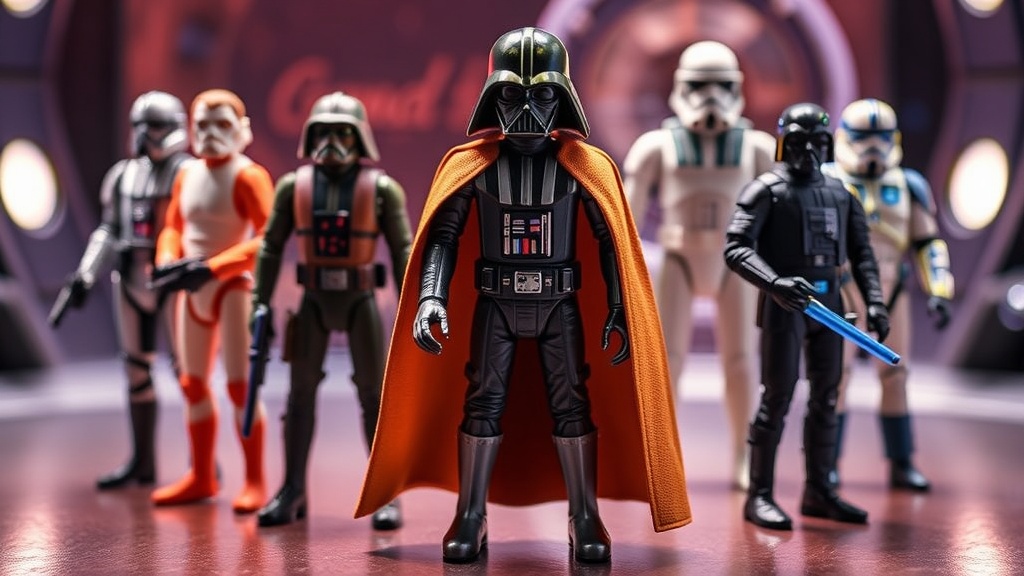
The 5 Most Valuable Vintage Star Wars Action Figures Still in Existence

Vinyl-Caped Jawa
Rocket-Firing Boba Fett Prototype
Yak Face (Original Release)
Double-Telescoping Lightsaber Figures
Blue Snaggletooth (Cantina Playset Exclusive)
Certain vintage Star Wars figures command prices that rival used cars. This guide breaks down the five most valuable pieces still circulating in the collector's market — what makes them rare, what condition means for value, and how to spot authentic examples. Whether you're sitting on a childhood collection or considering your first high-end purchase, understanding these grails helps you make informed decisions in a market flooded with reproductions.
What Makes a Star Wars Action Figure Valuable?
Rarity drives the market. The most expensive figures typically share three traits: limited production runs, variants that were quickly corrected, or pieces tied to characters with massive cultural staying power. Condition matters too — but even a beat-up Rocket-Firing Boba Fett prototype fetches five figures.
The vintage line (1978–1985) from Kenner remains the gold standard. These weren't marketed as collectibles. They were toys meant to be opened, played with, and eventually discarded. That's why sealed examples on unpunched cards command such astronomical premiums.
Here's the thing about provenance: documentation beats speculation every time. A figure with factory paperwork, original receipts, or auction house history carries weight that "found in an attic" stories simply can't match. The market has seen too many sophisticated fakes.
How Much Is a Vintage Rocket-Firing Boba Fett Worth?
An authentic rocket-firing Boba Fett prototype typically sells between $50,000 and $200,000 depending on color variant and documentation.
This is the holy grail. Kenner developed the figure in 1979 with a spring-loaded rocket mechanism — until safety concerns (kids swallowing projectiles from Battlestar Galactica toys) forced a redesign. Most prototypes were destroyed. A few escaped the factory.
The figure exists in two main variants: the L-slot (with an L-shaped retention slot) and the J-slot (J-shaped). L-slots are older, fewer in number, and command higher prices. The body is typically all-blue or features painted details that differ from the production release.
The catch? Reproductions flood eBay. Authentic prototypes have specific mold marks, plastic composition differences you can feel, and — most importantly — provenance tracing back to former Kenner employees or documented auctions. Heritage Auctions and Hake's Americana have handled most legitimate sales.
Worth noting: even broken prototypes sell. The market recognizes that any authenticated example represents a genuine piece of toy history. Condition affects price, but authenticity affects everything.
Why Is Yak Face So Expensive?
Yak Face (officially "Yakora") commands $5,000 to $15,000 carded because Kenner produced him exclusively for foreign markets after cancelling the U.S. release.
The Power of the Force line represented Kenner's final push in 1985. Yak Face was designed, carded, and ready for American shelves when Return of the Jedi's toy sales declined faster than projected. The figures were shipped overseas — primarily to Europe and Canada — making them scarce in the United States for decades.
Packaging variants create price tiers. The Tri-logo card (featuring English, French, and Spanish text bubbles) is the most recognized. But the Palitoy version — distributed in the UK — carries distinct card art and can trade at premiums depending on condition. The figure itself is relatively common loose; the value lives in the cardback.
That said, not all Yak Face cards are equal. Unpunched examples with clear bubbles and minimal yellowing separate the investment-grade pieces from the merely expensive. Collectors scrutinize the bubble seal particularly closely — reseals are common, and sophisticated ones fool even experienced buyers.
What's the Rarest Jawa Figure?
The vinyl cape Jawa from 1978's initial release regularly sells between $3,000 and $12,000 depending on condition — a massive premium over its cloth-cape replacement.
Kenner originally packaged the Jawa with a stiff vinyl cape similar to Obi-Wan Kenobi's. The design choice made sense for cost and consistency. But the vinyl looked cheap — which, for a diminutive alien selling at the same price point as Darth Vader, created a visual problem. Kenner switched to a sewn cloth cape that looked more substantial.
The vinyl variant had a short production window — estimates suggest weeks rather than months. Most were opened by children who didn't notice the difference. Today, loose vinyl Jawas require careful authentication; the cape material has a specific stiffness and sheen that's difficult to replicate perfectly.
Carded examples are extraordinarily rare. The small bubble size (Jawas came on the "12-back" card with smaller packaging than Darth Vader or Chewbacca) means fewer survived in pristine condition. A vinyl cape Jawa on an unpunched 12-back card represents one of the hobby's most recognizable trophies.
The 5 Most Valuable Vintage Star Wars Figures
These rankings reflect actual auction results and private sales from 2022–2024. Prices fluctuate based on condition, provenance, and market momentum.
| Figure | Estimated Value (Carded) | Estimated Value (Loose) | Primary Rarity Factor |
|---|---|---|---|
| Rocket-Firing Boba Fett (Prototype) | $50,000–$200,000+ | $30,000–$100,000 | Pre-production cancellation |
| Double-Telescoping Lightsaber Figures | $15,000–$40,000 | $2,000–$8,000 | Design correction (4 figures affected) |
| Yak Face | $5,000–$15,000 | $100–$300 | Foreign market only |
| Vinyl Cape Jawa | $8,000–$25,000 | $1,500–$4,000 | Quick production change |
| Blue Snaggletooth (Cantina Playset) | $3,000–$8,000 | $200–$600 | Exclusive to Sears playset |
Double-Telescoping Lightsaber Figures
Four figures launched with two-piece lightsaber mechanisms: Darth Vader, Ben (Obi-Wan) Kenobi, and Luke Skywalker in both standard and X-wing pilot configurations. The thin inner piece extended twice — first from the arm, then from the outer saber piece. It broke constantly.
Kenner switched to single-piece sabers by mid-1978. The double-telescoping variants had already shipped on early 12-back cards. Today, carded examples represent serious money — Darth Vader typically leads the pack due to character popularity, though Luke X-wing variants are statistically rarer.
Blue Snaggletooth
The Sears exclusive Cantina Adventure Set included a mysterious blue Gigan. Kenner had based the figure on a partial black-and-white production photo; when the character appeared in color on screen, he was red, had bare feet, and looked completely different.
The corrected Red Snaggletooth replaced the blue version in subsequent releases. But the blue variant — wearing a silver space suit and sporting two visible fangs — had already reached consumers through Sears holiday catalogs. The figure was never carded individually, making loose examples the standard. High-grade pieces with minimal paint wear command strongest prices.
How Do You Authenticate Expensive Vintage Star Wars Figures?
Authentication requires multiple validation points — no single factor proves legitimacy. For carded figures, the seal between bubble and card matters most. Factory seals show consistent welding patterns; reseals often reveal glue residue or irregular edges under magnification.
Paint application provides loose figure clues. Kenner used specific Pantone matches that modern reproductions rarely nail perfectly. The plastic itself ages distinctly — vintage figures develop a specific patina and feel that even high-quality knockoffs struggle to replicate.
Third-party grading from CGC or AFA provides market confidence but isn't infallible. Graded cases protect against tampering and establish condition standards. However, grading adds cost (often $50–$200 per figure) and processing time. For five-figure pieces, it's practically mandatory. For casual collecting, learning authentication yourself proves more valuable long-term.
The market rewards knowledge. Collectors who understand factory marks, regional packaging variations, and legitimate aging patterns consistently make better purchases than those chasing "investment grade" labels without comprehension. Start with affordable pieces, handle vintage examples whenever possible, and build expertise before chasing grails. The chase itself — the learning, the hunt, the occasional discovery — that's what separates collecting from mere accumulation.