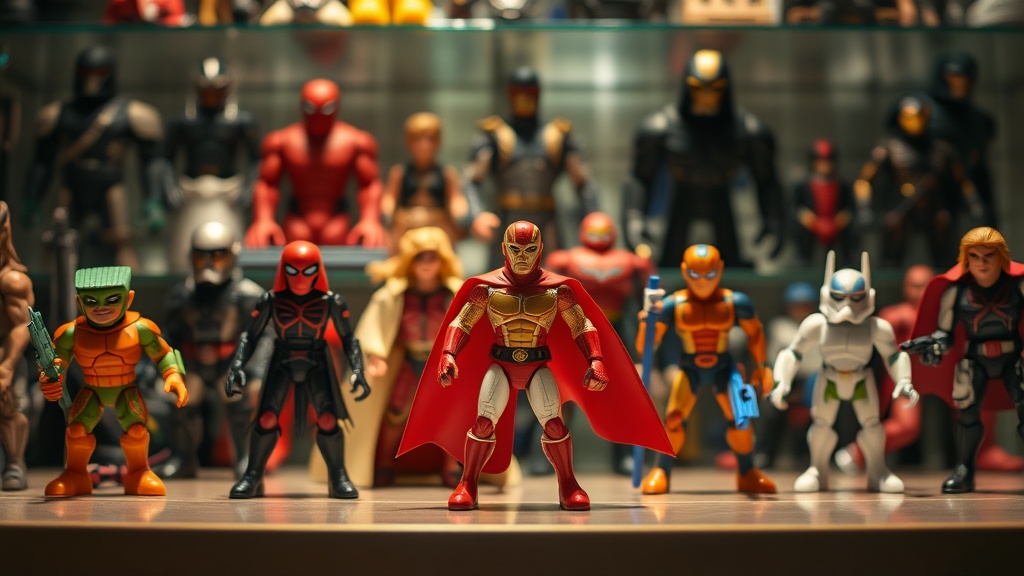
How to Protect and Preserve Your Action Figure Collection for Decades

What's the Best Way to Store Action Figures Long-Term?
Climate-controlled storage away from direct sunlight is the single most important factor in preserving action figures for decades. This post covers proven methods for protecting plastic, paint, and packaging from the gradual degradation that claims most poorly stored collections. Whether you've got five figures or five hundred, proper preservation techniques will keep pieces in display-worthy condition—and maintain their value if you ever decide to sell.
How Do Temperature and Humidity Damage Action Figures?
Heat softens plastics. Cold makes them brittle. Humidity invites mold and rust on metal joints. Temperature swings cause materials to expand and contract, stressing glued joints and weakening plastic over time.
The sweet spot sits between 65-75°F (18-24°C) with relative humidity around 40-50%. Anything above 80°F accelerates plasticizer migration—the process that makes old figures sticky or oily to the touch. Below 50°F, PVC and ABS plastics become increasingly fragile.
Here's the thing: most collectors store figures in attics, garages, or basements. These spaces swing wildly—summer heat in Texas garages hits 120°F easily. Basements flood. Attics bake. If you care about preservation, invest in interior closet space or a dedicated room with climate control.
Worth noting: cardboard packaging is even more vulnerable. Box collectors know that a single humid summer can warp backing cards, bubble away glue, and encourage silverfish to feast on vintage cardboard. Keep boxes flat, supported, and away from exterior walls.
Storage Environment Checklist
- Temperature: Consistent 65-75°F year-round
- Humidity: 40-50% relative humidity (use a digital hygrometer)
- Light: Zero direct sunlight; minimal UV exposure
- Air quality: Clean, dust-free circulation
- Pest control: Regular inspection for insects and rodents
What's the Best Way to Display Action Figures Without Damaging Them?
UV-protected display cases with proper ventilation offer the best balance of visibility and protection. Glass blocks most UV rays (though not all—museum glass is better). Acrylic cases are lighter and shatter-resistant but scratch more easily.
That said, most collectors can't afford custom museum cases. The IKEA DETOLF glass-door cabinet has been a community favorite for years—affordable, readily available, and easy to modify with LED strips. Just don't use the included halogen lights; they generate heat. Swap in cool-running LED strips from Philips Hue or similar brands.
Dust is the silent killer. It settles into joints, abrades painted surfaces when figures move, and attracts moisture. Sealed displays beat open shelves every time. If you must use open shelving, dust weekly with a soft makeup brush or canned air.
The catch? Enclosed cases need airflow. Trapped humidity breeds mold. Add small silica gel packets (replace them quarterly) or install a rechargeable dehumidifier unit. The Eva-Dry E-333 works well in cabinet-sized spaces and lasts years.
Display Method Comparison
| Method | UV Protection | Dust Protection | Cost | Best For |
|---|---|---|---|---|
| Open shelving | None | Poor | $ | Play figures, frequent handling |
| IKEA DETOLF | Basic glass | Good | $$ | Mid-size collections, casual display |
| Custom acrylic case | Add-on film | Excellent | $$$ | High-value single pieces |
| Museum case | 99% UV block | Sealed | $$$$ | Vintage prototypes, grails |
How Should Loose Figures Be Stored?
Archival-grade plastic bins with individual compartments prevent figures from touching, scratching, or weight-damaging each other. Never pile figures loose in a box—plastic-on-plastic contact causes paint rub and stress marks.
The Sterilite 6-Quart ClearView container with latching lid runs about $4 at Target and holds 15-20 standard 6-inch figures in baggies. For larger collections, the Really Useful Box 64-liter with dividers lets you customize compartments. Both are polyethylene—safe for long-term plastic contact unlike PVC storage boxes (which can off-gas and damage figures).
Individual bagging matters. Use 2-mil polyethylene bags from Bags Unlimited or similar archival suppliers. Avoid Ziploc bags with slider closures—they trap air and moisture. Standard sandwich bags from grocery stores contain plasticizers that can migrate to figure surfaces over years.
For accessories and small parts, compartment organizers work well. The Plano 3700 series tackle boxes have adjustable dividers and secure latches. Just don't store figures long-term in foam—some foams (particularly polyurethane) react chemically with PVC plastics, causing permanent discoloration known as "plasticizer migration" or "vinyl rot."
The Baggie Method (Community-Tested)
- Place figure in archival polyethylene bag
- Fold bag loosely—don't vacuum-seal (trapped pressure damages soft goods)
- Add small silica gel packet if storing in non-climate-controlled space
- Store bin flat, never stacked more than three high (weight compression)
- Inspect annually for any changes
What About Carded and Boxed Figures?
Original packaging in pristine condition often equals or exceeds the figure's value—especially for vintage Star Wars, G.I. Joe, and Marvel Legends. Protect the package as carefully as the toy inside.
Star cases (clear acrylic protectors designed for specific card sizes) are the gold standard. For 3.75-inch Star Wars vintage-style cards, the GW Acrylic Star Case costs around $8 but prevents the #1 killer of carded figures: card curl and bubble yellowing. For modern 6-inch Marvel Legends boxes, custom-fitted protectors run $10-15 each—expensive for large collections but worthwhile for key pieces.
Never store carded figures standing upright on the card alone. Gravity pulls the bubble away from the cardback over years. Store them flat, bubble-down, with even support across the entire card. Magazine boxes from comic shops work well—sized perfectly for carded figures and acid-free.
For boxed figures, the rule is simple: keep the box. Don't flatten it, don't recycle the inserts, don't toss the twist ties (original factory ties matter to serious collectors). Store boxes in archival-grade comic storage boxes or on sturdy shelving with proper support. A sagging shelf will warp a $500 box in six months.
How Do You Clean and Maintain a Collection?
Prevention beats restoration every time. But dust happens, plastics age, and sometimes you inherit a collection that needs work.
For routine cleaning, a soft makeup brush (goat hair or synthetic) removes dust from crevices without scratching. Canned air works but blows dust deeper into joints—use it carefully. Microfiber cloths are fine for smooth surfaces but can catch on raised details.
That said, never use household cleaners. Windex, 409, and similar products contain ammonia and alcohol that strip paint and cloud clear plastics. For sticky residue from price stickers or tape, Goo Gone works on glass and some hard plastics—but test on an inconspicuous spot first. For delicate vintage pieces, pure distilled water and a microfiber cloth is the safest approach.
The Austin collector community has a saying: "Clean hands, clean figures." Oils from skin transfer to plastic and break down over time. Handle figures by the limbs, not the painted torsos. Wash hands before digging through storage bins. Sounds obsessive? Wait until you see finger-shaped yellow spots on a 40-year-old Stormtrooper.
Cleaning Supplies That Work
- Soft makeup brushes: Sephora Collection Pro brushes, size 10-20
- Microfiber cloths: Kirkland Signature Ultra Plush (cost-effective, lint-free)
- Compressed air: Dust-Off brand, used at distance
- Sticky residue: Bestine rubber cement thinner (test first)
- Disinfecting: Isopropyl alcohol 70% (plastic-safe, not paint-safe)
Is It Worth Getting Figures Graded?
For high-value vintage pieces, professional grading adds credibility and protection—but it's expensive and controversial. AFA (Action Figure Authority) is the established name in collectibles grading, offering encapsulation in tamper-proof cases with condition scores. Expect to pay $50-150 per figure plus shipping insurance.
Here's the thing: grading makes sense for figures worth $500+ where authenticity concerns exist. For modern releases, it's rarely worth the cost. The case protects but also limits display options and makes the figure impossible to pose or enjoy. Some collectors view graded pieces as investments; others see them as tombstones for toys.
Worth noting: grading companies have made mistakes. Fake figures have received high grades. Authenticity isn't guaranteed—it's an educated opinion backed by reputation. Do your research before submitting anything.
Insurance and Documentation
Homeowners insurance typically covers collectibles—but only to stated limits, often $1,000-2,500 total. A serious collection needs a separate rider or specialized collectibles policy through companies like Collectibles Insurance Services.
Document everything. Photograph each piece from multiple angles. Record purchase dates, prices, and provenance. Store this documentation offsite or in cloud storage. If disaster strikes—fire, flood, theft—you'll need proof of what you owned.
Keep an inventory spreadsheet updated. Note condition, packaging status, and current estimated value. Reassess values annually; the action figure market shifts constantly. What was worth $50 last year might fetch $200 today—or vice versa.