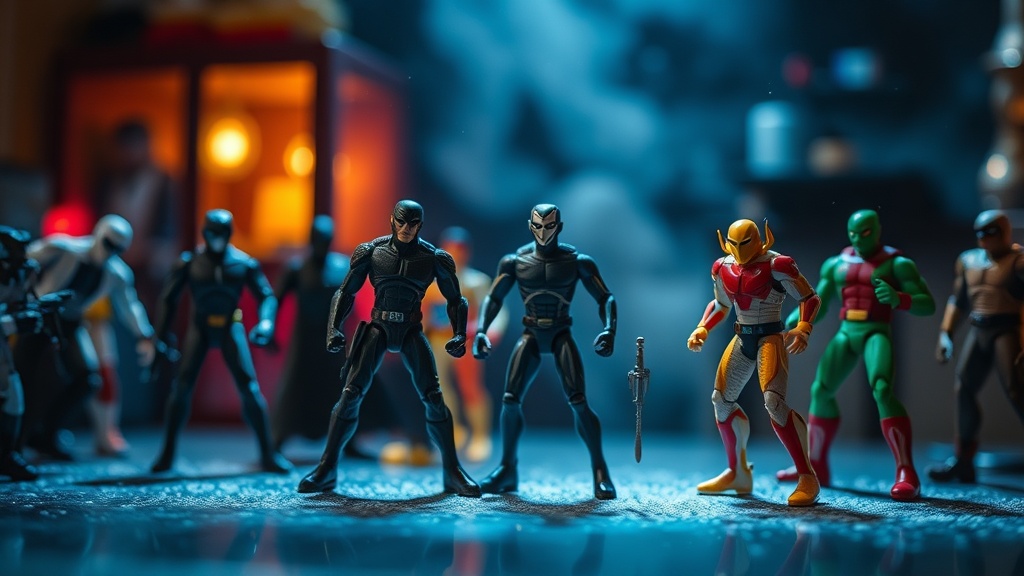
How to Dust and Clean Your Action Figures Without Damaging Them

Dust settles on everything eventually — and action figures, with their intricate sculpts and tight crevices, are dust magnets. This guide covers practical, safe cleaning methods for every type of figure in a collection, from vintage Kenner Star Wars to modern Hot Toys. You'll learn which household products work (and which ones destroy paint apps), how to tackle different materials without causing damage, and maintenance routines that keep displays looking fresh year-round.
What Household Products Can Safely Clean Action Figures?
Most figures only need gentle soap, lukewarm water, and microfiber cloths. That's it. The temptation to grab stronger cleaners makes sense — a stubborn mark or yellowing plastic seems to call for chemical intervention. Here's the thing: household cleaners contain solvents, abrasives, and acids that strip paint, cloud clear plastic, and degrade soft vinyl over time.
Safe options include:
- Dawn dish soap — cuts through oils without harsh chemicals
- Isopropyl alcohol (70%) — excellent for removing sticky residue and marker stains (test first on painted areas)
- Magic Erasers (melamine foam) — use with extreme caution, only on hard white plastics, and apply minimal pressure
- Compressed air — blasts dust from joints and crevices without touching the surface
Avoid at all costs: bleach, ammonia-based cleaners (like Windex), acetone (nail polish remover), and abrasive scrubs. These don't just clean — they permanently alter the plastic chemistry. Yellowed vintage figures are often the result of decades of well-meaning but damaging cleaning attempts.
For electronic figures with light-up features or sound chips, stick to dry methods only. Moisture near battery compartments leads to corrosion that ruins the circuitry permanently.
How Do You Clean Action Figures Without Damaging Paint or Joints?
Work from the least invasive method upward. Start with dry dusting, move to damp wiping, and only escalate if absolutely necessary. This preserves factory paint applications — which are far more delicate than most collectors realize.
Dry Cleaning Methods
Compressed air cans (the kind sold for electronics) work wonders for loose dust. Hold the can upright, use short bursts, and keep the nozzle several inches away. The force of the air does the work — no scrubbing required.
Makeup brushes (unused, obviously) are perfect for detailed areas. A soft fan brush reaches between cape folds and under shoulder pads. Goat hair watercolor brushes work beautifully for faces and delicate accessories.
Damp Cleaning Techniques
For surface grime, mix a few drops of Dawn in a bowl of lukewarm water. Dampen — don't soak — a microfiber cloth. Wipe in the direction of sculpted details (not against them) to avoid catching edges and chipping paint. Dry immediately with a clean, dry cloth.
Joints are tricky. They're tight, they're mechanical, and they collect gunk. A dry toothbrush (soft bristles) works well here. For stubborn buildup in knee or elbow pivots, wrap a wooden toothpick in a thin layer of microfiber and work it gently into the gap.
Handling Stickers and Decals
Original stickers and factory decals are often the first casualties of aggressive cleaning. Never apply liquid directly to sticker surfaces. Instead, clean around them carefully. If a sticker is lifting at the edge, don't press it back down with a wet finger — use a cotton swab with a tiny amount of museum wax applied to the back to re-adhere it safely.
What's the Best Way to Clean Different Types of Action Figure Materials?
Not all plastic is created equal. The ABS used in Bandai's Robot Spirits line reacts differently to cleaning than the soft PVC in NECA's Ultimate figures. Knowing the material determines your approach.
| Material | Common In | Cleaning Method | Warnings |
|---|---|---|---|
| Hard ABS Plastic | Gundam model kits, Bandai Figuarts, most joints | Damp cloth with mild soap, compressed air for dust | Avoid prolonged alcohol exposure — can cause stress marks |
| Soft PVC/Vinyl | NECA figures, Super7 ReAction, MOTU Origins | Dry brushing only; damp cloth for heavy grime | Alcohol degrades softeners, causing "oily" residue |
| Painted Resin | Garage kits, high-end statues | Dry microfiber only; no liquids | Paint is often artist-applied and unsealed |
| Die-Cast Metal | Soul of Chogokin, Vintage Transformers | Lightly damp cloth, dry immediately | Water causes rust in screw holes and hollow areas |
| Flocked Surfaces | Early Kenner figures, custom flocked heads | Compressed air only — never touch with cloth | Flocking adhesive weakens with moisture |
Worth noting: die-cast metal parts often hide screws and hollow chambers. Water that seeps inside doesn't evaporate quickly and will cause rust that bleeds out onto surrounding plastic. Always dry metal components thoroughly — a hair dryer on cool setting works well for hard-to-reach spots.
Dealing with Sticky Plastic Syndrome
Some vintage figures — particularly 1980s Kenner Star Wars and certain Playmates Star Trek lines — develop a sticky, tacky surface over decades. This is plasticizer migration, where the softening agents in the PVC rise to the surface.
The fix isn't more cleaning products. A paste of baking soda and water, applied gently with a soft cloth, lifts the tacky film. Rinse with a barely-damp cloth and dry completely. Some collectors swear by a light dusting of unscented talcum powder left overnight, then brushed off — though this is controversial in the preservation community.
How Often Should You Clean Your Action Figure Collection?
Light maintenance every two weeks prevents heavy cleaning later. A five-minute session with a makeup brush and compressed air keeps displays presentable without risking damage. Deep cleaning — the kind involving water and soap — should happen quarterly at most, or when figures are actively displayed (not stored).
Environmental factors matter enormously. Figures in glass cabinets with doors stay cleaner longer than open shelving. Humid climates accelerate dust adhesion; dry climates create static that attracts dust like a magnet. The catch? Running a humidifier reduces static but can promote mold growth on cardboard packaging stored nearby.
Storage vs. Display Cleaning
Boxed figures need attention too. Cardboard absorbs atmospheric pollutants and off-gassing from plastic blisters. Every six months, remove boxed figures from storage and inspect for:
- Yellowing plastic windows
- Musty smells indicating mold
- Stuck tape or deteriorating glue
- Insect damage (silverfish love cardboard)
Open the boxes carefully if you plan to keep them mint. Use a hair straightener on low heat to re-seal blister packs if you need to access the figure — this is a well-known technique in the collector community for maintaining "unpunched" appearances.
Creating a Maintenance Kit
Keep cleaning supplies dedicated to your collection. Don't grab the kitchen sponge — it's loaded with food oils and abrasive particles. A proper kit includes:
- Several sizes of clean makeup brushes (goat hair or synthetic, never used)
- Microfiber cloths (the kind sold for eyeglasses or camera lenses)
- Compressed air cans with variable pressure triggers
- Dawn dish soap in a small dropper bottle
- 70% isopropyl alcohol in a spray bottle (for spot testing)
- Wooden toothpicks and cotton swabs
- Museum wax for loose accessories and re-adhering stickers
Store the kit in a sealed container. Dust settles on cleaning supplies too — and wiping a figure with a dusty cloth scratches the surface.
Handling Rare and Vintage Figures
Pre-1990 figures require extra caution. The plastics used in vintage toys weren't formulated for longevity. They're more brittle, more prone to discoloration, and the paint applications weren't sealed as thoroughly as modern figures.
Never submerge a vintage figure. The hollow cavities inside — common in Kenner and Hasbro toys from the 70s and 80s — trap moisture that promotes internal mold growth. Surface cleaning only, with immediate drying.
For truly valuable pieces (original 12-back Star Wars figures, vintage G.I. Joe with painted details, Mego figures with fabric outfits), consider professional conservation. The American Institute for Conservation maintains directories of specialists who work with plastic artifacts and pop culture collectibles.
"The best cleaning is the one you don't have to do. Prevention — dust covers, sealed cases, controlled humidity — preserves figures far better than any restoration effort." — Collector preservation maxim
That said, life happens. Figures get knocked over, kids (or pets) get into displays, and accidents require immediate attention. Having a plan — and the right gentle supplies on hand — turns potential disasters into minor maintenance.
When to Accept Imperfection
Some wear tells a story. Paint rub on a well-loved He-Man figure from 1983 isn't damage — it's provenance. The goal isn't museum perfection (unless you're running a museum). The goal is preventing further deterioration while respecting the history of the piece.
Discoloration from age, often called "yellowing" or "pink plastic syndrome" in certain toy lines, isn't reversible through cleaning. Retrobrighting — the process of using UV light and hydrogen peroxide — is a restoration technique, not maintenance. It permanently alters the plastic chemistry and remains controversial among serious collectors.
Clean your figures to preserve them. Don't clean them to change them. The distinction matters more than you'd think.
Steps
- 1
Gather the Right Cleaning Supplies
- 2
Dry Dust Your Figures Gently
- 3
Deep Clean Stubborn Grime Safely