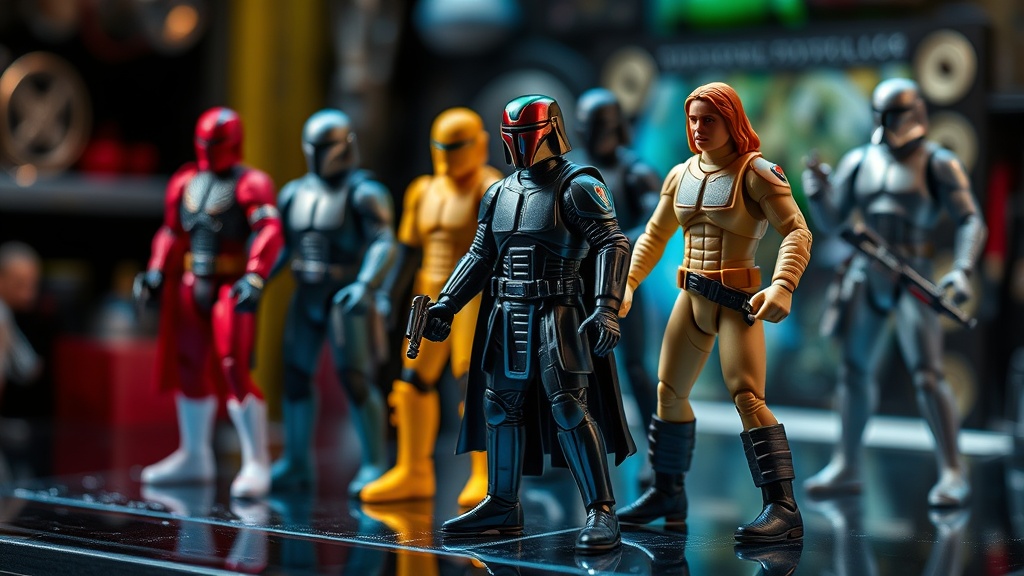
How to Clean Action Figures: A Complete Guide for Collectors

Whether you're dusting off vintage Star Wars figures from the 70s or keeping modern Marvel Legends pristine, knowing how to clean action figures properly protects both their appearance and their value. This guide covers everything—from basic surface cleaning for displayed pieces to deep restoration for garage sale finds—so you can maintain a collection that looks museum-worthy without risking damage to paint apps, joints, or fragile accessories.
What Supplies Do You Need to Clean Action Figures?
Start with a soft toothbrush, microfiber cloths, cotton swabs, and mild dish soap (Dawn Original works perfectly). You'll also want distilled water, isopropyl alcohol (70% or 91%), a can of compressed air, and a few small bowls for mixing solutions. For delicate figures, grab a makeup brush set from Sephora or Ulta—those soft synthetic bristles reach into crevices without scratching.
Avoid household cleaners like Windex, Clorox wipes, or Magic Erasers. They'll strip paint, cloud clear plastics, and leave residues that attract more dust. Here's a breakdown of what actually works:
| Supply | Best For | Avoid On |
|---|---|---|
| Soft toothbrush | Textured surfaces, boot treads, hair sculpts | Chrome finishes, soft rubber |
| Microfiber cloth | Large surface areas, dusting displayed pieces | Nothing—this is your safest bet |
| Cotton swabs (Q-tips) | Eye paint, small details, panel lines | Loose joints (can leave fibers) |
| Isopropyl alcohol 70% | Sticky residue, marker stains, price tag glue | Painted faces, soft PVC |
| Compressed air | Dusting hard-to-reach areas, electronics | Loose accessories (they'll fly off) |
| Mild dish soap | General cleaning, smoke smells, grime | Electronics, paper accessories |
Storage matters too. Keep supplies in a dedicated tackle box—Plano makes excellent organizers with removable dividers. When a figure needs attention, you'll have everything ready instead of hunting through kitchen drawers.
How Do You Clean Dust and Surface Grime Off Displayed Figures?
Dust weekly with a soft makeup brush or microfiber duster, working from top to bottom so debris falls away from already-cleaned areas. For figures that've been sitting awhile—and have that faint greasy film that seems to appear from nowhere—mix a drop of Dawn in warm distilled water, dampen (not soak) your cloth, and wipe gently.
The key word here is dampen. Water and action figures have a complicated relationship. Excess moisture seeps into joints, rusts metal pins, and can cause "zombie plastic"—that white, flaky degradation you sometimes see on vintage toys. Wring your cloth until it's barely moist, clean one section at a time, and dry immediately with a fresh microfiber towel.
Here's the thing about displayed collections: dust isn't just cosmetic. Over time, it attracts moisture from the air and becomes mildly acidic. That film you ignore for months? It's slowly eating at paint apps and clear coats. The Smithsonian's Museum Conservation Institute recommends regular, gentle cleaning for all displayed objects—your figures deserve the same care as museum artifacts.
For figures in glass cases or detolfs, clean the enclosure first. Otherwise, you're just circulating dust back onto your collection. Use a streak-free glass cleaner on the outside only—never spray near your figures.
What's the Best Way to Remove Sticky Residue and Stains?
Apply 70% isopropyl alcohol to a cotton swab and test on an inconspicuous area first—inner thigh, back of the head, somewhere paint isn't critical. Wait thirty seconds. If the paint stays put, gently roll the swab over the sticky spot. Don't rub back and forth; that creates friction heat and can lift paint.
Sticker residue responds well to this treatment. So does that mysterious grime that coats secondhand figures—often a combination of hand oils, smoke, and decades of airborne kitchen grease (yes, really). For tougher cases, Goo Gone works, but dilute it heavily and rinse thoroughly. The citrus oils can soften PVC over time.
The catch? Some vintage figures—particularly 1980s Kenner Star Wars and early G.I. Joe—used paints that weren't fully cured. These can lift even with gentle cleaning. When in doubt, post photos to collector forums like Rebelscum or YoJoe—the community has seen every sticky situation and can advise on specific lines.
For ink marks (Sharpie happens), try a Mr. Clean Magic Eraser—but use it dry, with minimal pressure, and only on hard plastics. Magic Erasers are essentially micro-abrasives; they're sanding the surface clean. On painted figures, they'll leave shiny spots or remove color entirely. Test, test, test.
Can You Wash Action Figures in Water?
Yes—with major caveats. Fully submerging a figure works for removing smoke smells, general grime, and that distinct "attic funk" that clings to vintage finds. But you need to do it right, or you'll trade one problem for bigger ones.
Remove all accessories first—belts, guns, capes, helmets. These often contain different plastics that react differently to water. Disassemble the figure if possible; Marvel Legends and similar modern lines usually pop apart at the torso with gentle pressure. This lets water drain and prevents trapped moisture from growing mold in hollow chest cavities.
Use lukewarm distilled water and a tiny amount of mild soap. Hot water can warp soft plastics (those vintage G.I. Joe O-rings will thank you for keeping it cool). Tap water contains minerals that leave spots when they dry—distilled avoids this entirely.
Agitate gently with your fingers, paying attention to joints and crevices. Don't scrub. Rinse thoroughly—three times if you're unsure. Lay figures on a clean towel, rotating every few hours so water doesn't pool. A small fan speeds drying but keep it on low; high airflow can knock lightweight figures off the table.
Worth noting: never submerge figures with electronics. That 1984 Optimus Prime with working lights? Keep him dry. Same for any figure with voice chips, light-up features, or metal components. Surface cleaning only.
How Do You Restore Yellowed or Discolored Plastic?
Plastic yellows when UV exposure breaks down brominated flame retardants—a chemical added to vintage plastics for safety. The "retrobright" treatment (hydrogen peroxide + UV light) can reverse this, but it's controversial among serious collectors.
Here's why: retrobright works temporarily. The plastic will yellow again—often faster and more unevenly than before. Worse, the treatment can accelerate plastic brittleness. That pristine white Stormtrooper helmet looks gorgeous for six months, then develops hairline cracks.
For display pieces you never plan to sell, retrobright is an option. Use 12% hydrogen peroxide cream (hair developer from Sally Beauty Supply), apply evenly, and leave in direct sunlight or under UV lamps for several hours, monitoring closely. Rinse thoroughly and condition the plastic with a tiny amount of pure silicone oil afterward.
That said, many collectors prefer to embrace the patina. A slightly yellowed 1985 Thundercats figure tells a story—it's been loved, displayed, survived decades. The Collector's Resource at The National Park Service recommends against aggressive cosmetic restoration for vintage plastics, as the long-term effects often outweigh short-term appearance improvements.
Protecting Your Clean Figures Long-Term
Once clean, keep them that way. Store in a climate-controlled environment—between 60-75°F with 40-50% humidity. Basements and attics are death for plastic; temperature swings cause expansion and contraction that stress joints and paint.
Display cases with UV-filtering acrylic (not glass) block the light that causes yellowing. IKEA's DETOLF cabinets are collector favorites for good reason—they're affordable, attractive, and the glass blocks some UV. Add LED strip lighting instead of halogen; less heat, no UV, and better color rendering for photography.
For stored figures, archival-grade polypropylene bags (BCW Supplies makes excellent ones) keep dust out while allowing the plastic to breathe. Avoid PVC bags—they'll actually cause the stickiness you're trying to prevent.
Rotate your displayed collection every few months. Figures left in the same pose for years develop "settling"—joints that loosen, plastics that sag. A pose change redistributes stress and keeps everything moving smoothly. Plus, you'll notice when a figure needs attention before small issues become expensive problems.
Clean action figures last longer, photograph better, and maintain their value. Whether you're preserving childhood memories or building an investment-grade collection, twenty minutes of careful maintenance every month beats hours of restoration work down the road. Your figures—and your future self—will appreciate the effort.
Steps
- 1
Gather Your Cleaning Supplies
- 2
Dust and Dry Clean the Figure
- 3
Wash and Rinse Gently