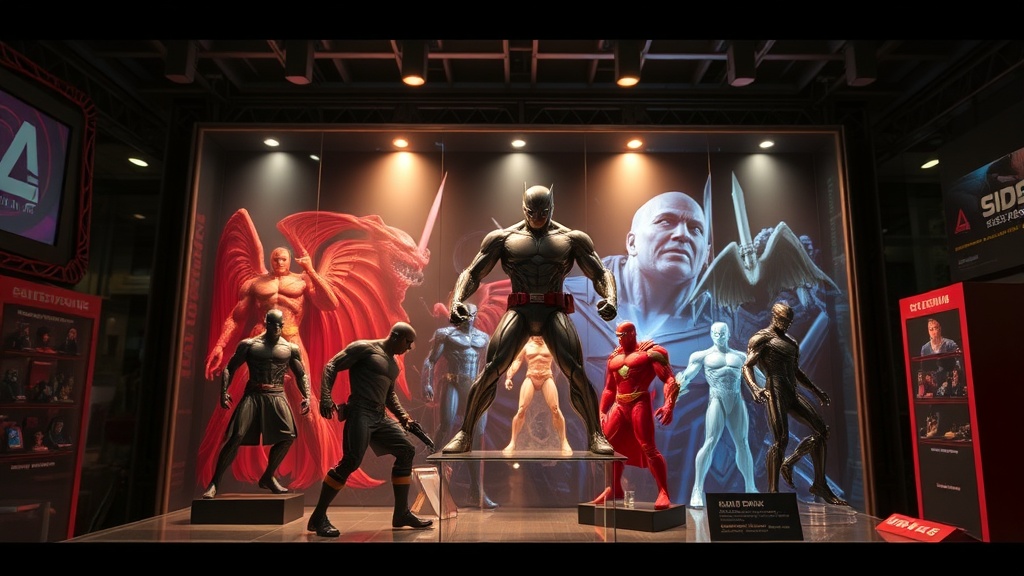
Building a High-End Figure Display: A Structural Approach

Establishing a Foundation for Your Figures
You'll learn how to select the right shelving, manage weight distribution, and ensure your display doesn't collapse under the weight of your growing collection. Setting up a display isn't just about putting a shelf on a wall; it's about creating a stable environment where your figures can be viewed without constant fear of a shelf bowing or a figure tipping over.
Most collectors start with basic bookshelves from big-box retailers, but as a collection expands, those standard units often fail. If you're dealing with heavy resin statues or high-end articulated figures, the weight adds up faster than you think. A single shelf holding twenty 1/6 scale figures or a dozen heavy die-cast figures exerts significant downward pressure. If the material isn't rated for that load, you're looking at a disaster waiting to happen.
When choosing your furniture, look at the depth and the material. Solid wood or heavy-duty metal is better than particle board or thin MDF (Medium-Density Fiberboard). Particle board tends to sag over time when subjected to constant weight—a phenomenon often called "creep." If you're building a custom setup, always consider the spacing between shelves. You want enough room for the tallest figures, but not so much dead space that your display looks empty or sparse.
Can I Use Acrylic Risers for Heavy Figures?
Acrylic risers are a staple for many collectors, especially when trying to create depth in a shallow shelf. They allow you to place smaller figures in front of larger ones, ensuring every piece is visible. However, you can't just grab any plastic stand you find. If you're working with heavier figures, standard thin-walled acrylic might crack or bow under the pressure.
I've seen many collectors ruin a beautiful display because they used lightweight plastic stands for heavy-duty figures. The stand eventually snaps or slides, causing the figure to fall and potentially break. When shopping for risers, check the thickness of the material. Look for high-grade acrylic that specifies a weight capacity. If you're unsure, try a stress test with a similar weight at home before placing your most expensive piece on it.
To find high-quality materials, many collectors look toward specialized hobby retailers. For instance, professional-grade display solutions are often found through specialized hobby sites like HobbyDB, where you can research the value and typical display needs of specific items. Using the right stand ensures your figure stays upright and looks as intended.
How Do I Prevent Shelf Sagging Over Time?
Shelf sagging is the silent killer of beautiful displays. It happens when a shelf bends in the middle due to constant weight. To prevent this, you need to understand the physics of your shelving unit. If you have a very long shelf without any support in the middle, it will sag eventually. This is especially true for those using cheaper wood or thin-coated metal.
- Increase Support Points: Add more vertical supports or brackets to your shelving unit.
- Distribute Weight Evenly: Never cluster all your heavy figures in the center of a shelf. Spread them out to distribute the load.
- Check Your Material: If you're using custom-built shelving, ensure the wood is thick enough for the span.
A good rule of thumb is to place your heaviest, largest pieces (like large scale mecha or heavy statues) closer to the vertical supports or walls of the unit. This minimizes the leverage they exert on the center of the shelf. If you notice a slight dip forming, it's time to either relocate the weight or upgrade your shelving system. Ignoring a slight bend often leads to a complete structural failure later on.
Is Lighting Safe for Plastic and Paint?
Lighting is what makes a collection look professional, but it can also be a destructive force. Standard incandescent bulbs generate heat, and that heat is the enemy of your figures. Heat can cause many types of plastic to soften or even deform over time, and it can also accelerate the breakdown of certain paints and finishes.
The best option for collectors is LED lighting. LEDs produce very little heat and are much safer for long-term display. Whether you're using LED strips, puck lights, or spotlighting, make sure they aren't touching the figures directly. You want light to illuminate the figure, not bake it. If you're looking for professional lighting standards, the lighting industry guidelines often discuss heat dissipation, which is a good way to understand how light interacts with surfaces.
Be careful with UV exposure too. Even if you're using LEDs, if your display is near a window, UV rays will eventually cause discoloration or "yellowing" in many types of plastic. It's often a good idea to use UV-filtering film on your windows or choose a display location that stays in the shade. A well-lit collection is great, but a faded, warped collection is a tragedy.
How Much Space Should I Leave Between Figures?
One of the biggest mistakes I see is over-crowding. Collectors often want to show off every single piece they own, but a cramped display looks messy and makes it harder to appreciate individual details. You need to leave enough room for the figure's articulation and for your hands to move if you want to pose them.
If you pack figures too tightly, they can even rub against each other. This leads to paint transfer or scuffs on the surfaces. A little bit of "breathing room" between figures does two things: it makes the display look more premium and it protects the paint jobs. Think of your display like a gallery, not a warehouse. Each piece should have its own space to be appreciated. If you find yourself struggling to fit a new addition, it might be time to expand your shelving rather than squeezing it in.
When planning your layout, consider the "eye-line" of the viewer. A tiered approach, using the risers we discussed earlier, is the best way to maximize space without looking cluttered. This creates a sense of depth and allows you to see the back rows clearly. If you're ever in doubt, less is often more when it comes to the visual impact of a display. A few well-spaced, well-lit pieces always look better than a crowded, dark shelf.