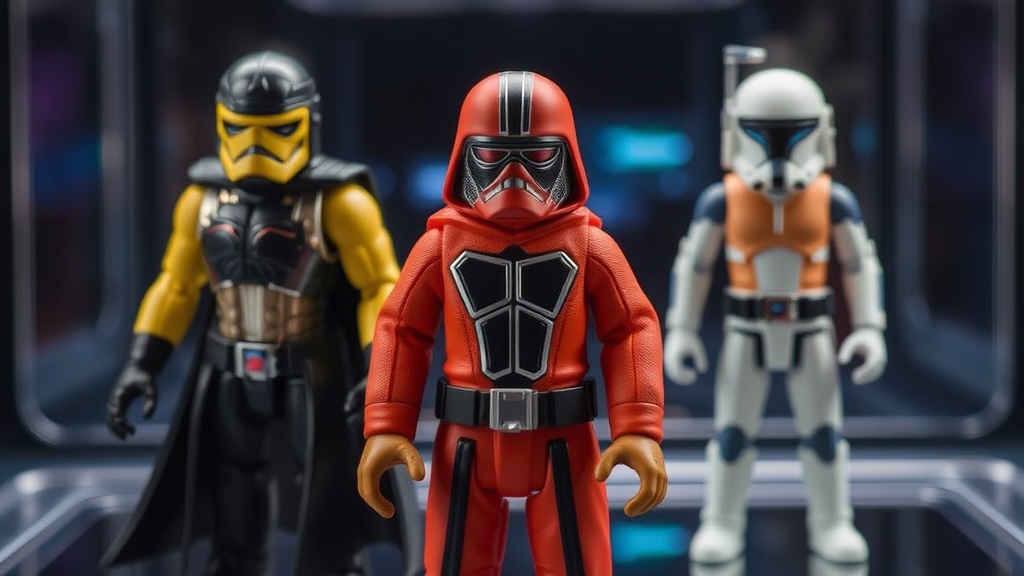
7 Rare Production Variants That Make Ordinary Figures Worth Thousands

Here's something that'll stop you mid-hunt—around 15% of "common" vintage figures sitting in storage bins and flea market stalls carry manufacturing quirks that collectors pay serious premiums to own. We're not talking about limited edition convention exclusives or chase variants packaged as such. These are the accidental anomalies: factory errors, regional production differences, and short-run experiments that slipped past quality control and into the wild.
Understanding what separates a $20 figure from its $2,000 variant counterpart isn't about luck—it's about knowing exactly what visual and structural differences to examine. Whether you're digging through childhood collections or browsing estate sales, these production irregularities represent the hidden profit layer of figure collecting that most hunters completely overlook.
What Are Production Variants and Why Do They Matter?
Production variants emerge when manufacturers alter molds, switch plastic suppliers, or experience tooling wear during long production runs. Unlike intentional variants (think variant cover comics or store-exclusive repaints), these changes weren't meant to differentiate products—they simply happened as factories optimized costs or corrected defects.
The value proposition comes from scarcity combined with documentation. When collectors can definitively prove a figure represents an early production run, a factory transition period, or a geographically limited release, that piece becomes catalog-worthy. Price premiums typically range from 3x to 50x standard market value depending on how well-documented the variation is within collector communities.
How Can You Spot a First-Run Mold Variant?
First-run figures often carry telltale signs that disappear once production hits its stride. Look for these specific indicators:
- Sharper sculpt details — Early production molds haven't experienced the micro-wear that rounds edges and softens fine textures. Hair strands, fabric wrinkles, and facial features appear crisper on first-run pieces.
- Heavier plastic density — Manufacturers sometimes adjust plastic formulas after initial production to reduce costs. First-runs often feel noticeably more substantial in hand.
- Different copyright markings — Check the figure's inner legs or back for date stamps. Earlier dates within a production year, or the absence of later-added trademarks, indicate earlier manufacturing.
- Paint mask variations — Eyebrows, eye pupils, and mouth lines that sit fractionally differently than standard production examples often signal pre-correction samples.
The key is comparison. You need reference images of standard production examples to spot these deviations. Figure Realm maintains extensive variant databases that collectors reference for authentication.
Which Factory Error Types Actually Increase Value?
Not every mistake is collectible—some errors just indicate sloppy manufacturing. These specific error categories consistently command premiums:
1. Paint Application Errors
Misplaced paint masks create figures with offset eyes, missing eyebrows, or reversed color schemes. The most valuable examples feature dramatic errors that remain visually striking rather than subtle shifts. A Batman figure with purple instead of black gauntlets. A Spider-Man with inverted chest symbol colors. These become conversation pieces that display uniquely.
2. Assembly Swaps
When factory workers accidentally combine parts from different figures during assembly, the results range from unremarkable to spectacular. A properly documented assembly swap—say, a Star Wars figure with the wrong head sculpt—carries significantly more value than the sum of its correct parts.
3. Material Substitutions
Occasionally factories run out of specified plastics and substitute alternatives mid-production run. This produces figures with different color temperatures, translucency, or flexibility than standard releases. The 1985 GI Joe Cobra Officer exists in both hard and soft plastic variants due to exactly this scenario.
What Regional Variations Should International Collectors Watch For?
Licensing agreements often require foreign manufacturers to modify figures for local markets—changes that create distinctly different collectibles:
European carded figures frequently feature trilingual packaging (English/French/German or English/French/Spanish) and occasionally different accessory colors to comply with regional safety regulations. These weren't exported to North American markets, making them genuinely scarce in U.S. collections.
Japanese market releases of American properties often feature superior paint applications, additional accessories, or metallic finish variants that domestic releases lack. Bandai's Japanese distribution of Power Rangers figures included paint details absent from American releases.
Latin American production during the 1980s and 90s created entirely different manufacturing ecosystems. Argentine and Brazilian factories produced figures with distinct plastic colors, different articulation mechanisms, and unique packaging that's now highly sought by completionists.
For detailed documentation of regional variants, YoJoe maintains comprehensive international release archives.
Where Do You Find Documentation to Verify Authenticity?
Claiming a figure is "rare" without evidence won't convince serious buyers—or justify premium pricing. Build your authentication case through these resources:
- Factory documentation — Former employees occasionally sell production records, mold specifications, and quality control reports. These provide irrefutable provenance.
- Collector community archives — Long-running forums like The Dented Helmet (for Star Wars) or HissTank (for GI Joe) maintain variant tracking threads spanning decades.
- Grading service population reports — When professional grading companies authenticate variants, they document distinguishing characteristics that become industry-standard reference points.
- Side-by-side photography — High-resolution comparison shots showing your variant alongside standard production examples provide visual proof that transcends description.
Never rely solely on verbal claims or blurry photos when evaluating variant authenticity. The difference between a genuine production variant and a damaged/common figure often comes down to millimeter-scale details that require clear documentation.
When Should You Pay Premium Prices for Variants?
The variant market attracts forgeries, creative damage explanations ("it's supposed to have two left arms"), and hopeful thinking. Protect yourself by requiring these verification points:
First, demand provenance documentation. Where did this figure originate? Estate sales from former factory workers carry different weight than "found at a flea market" stories.
Second, verify the variant type is documented elsewhere. If no collector community recognizes your specific "variant," you're either discovering something genuinely new (rare) or buying a damaged figure (common).
Third, examine the figure's condition holistically. Production variants with significant damage often carry lower value than pristine standard releases. The variant premium only applies when the figure's condition justifies collecting in the first place.
How Do You Preserve Variant Figures Differently?
Production variants sometimes used experimental materials or formulations that age differently than standard releases. Early-run plastics may yellow faster, contain different stabilizers, or react unpredictably to display conditions.
Store documented variants in archival-grade materials, maintain stable temperature and humidity, and photograph them thoroughly before any condition changes occur. The value of these pieces depends heavily on maintaining their appearance—and your ability to prove they haven't been altered.
The hunt for production variants transforms ordinary collecting into archaeological detective work. Every figure becomes a potential discovery, every thrift bin a research opportunity. Just remember—documentation separates valuable finds from garage sale stories.